


A hamster’s favorite place in the home may be the spot you rarely see: tucked inside a little wooden house, beneath a bendy bridge, or curled into a nest of soft bedding. The right hamster hideouts and accessories turn a basic enclosure into a secure, busy, wonderfully hamster-sized home - one built for resting, exploring, chewing, and being delightfully independent.
For small-pet families, a thoughtful setup is not just about making a habitat look cute. It helps your hamster follow the instincts that keep them comfortable. A cozy hideout offers privacy. A tunnel invites exploration. Safe chew items give those ever-growing teeth something useful to do. Chosen with care, these small details can make a very big difference.
Why hamsters need more than an open cage?
Hamsters are prey animals, which means a wide-open space can feel exposed even when it is clean, spacious, and filled with bedding. A proper hideout gives them a retreat where they can sleep, store a snack, or simply enjoy a little quiet. Many hamsters are most active after the household settles down, so a private resting place helps them maintain their own natural routine.
One hideout is a great start, but several sheltered areas are often even better. Your hamster may choose one for sleeping, another for food storage, and a third as a quick stop while exploring. Providing choices lets them arrange their space in ways that feel safe to them.
Accessories add another layer of enrichment. They encourage movement and curiosity while helping prevent boredom. The goal is not to fill every inch of the enclosure with decorations. It is to create a home with clear areas for nesting, burrowing, eating, drinking, running, and investigating.
Shop the topic
-
Carrot-Shaped Hideout
Regular price $8.00 USDSale price $8.00 USD Regular priceUnit price per -
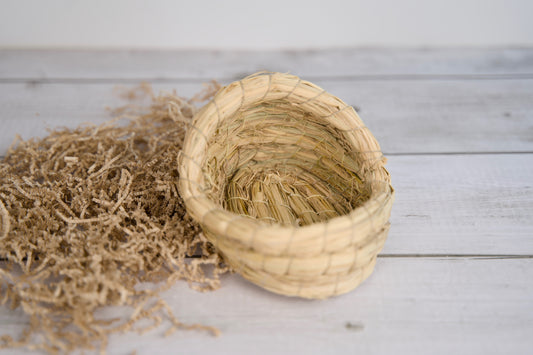
Handwoven Straw Slipper Bed
Regular price $15.00 USDSale price $15.00 USD Regular priceUnit price per -
Rustic Wooden Ladder
Regular price $12.00 USDSale price $12.00 USD Regular priceUnit price per -
Daffodil Snuffle Mat
Regular price $10.00 USDSale price $10.00 USD Regular priceUnit price per



Choosing hamster hideouts and accessories wisely
A charming little house should also be a practical one. Look for pieces made for small pets, with smooth edges, stable construction, and openings large enough for your specific hamster to enter and exit easily. Syrian hamsters need roomier hideouts than dwarf species, especially if they like to carry a full cheek pouch of bedding or treats inside.
Natural wood, untreated cork, hay-based materials, ceramic, and pet-safe paper products can all have a place in a well-planned habitat. Each material has a different benefit. Wood and cork provide a natural texture and may satisfy gentle chewing urges. Ceramic can stay pleasantly cool in warm weather. Lightweight grass or paper hideaways can be fun to shred and remodel.
Avoid anything with sharp points, peeling paint, loose parts, or openings that could trap a hamster’s head or body. Fabric accessories can be cozy, but they are not right for every hamster. If your pet chews and swallows fibers, choose a safer chew-friendly material instead. It depends on your hamster’s habits, so a quick daily check is always worthwhile.
Cozy houses and nesting spots
A solid wooden house or a roomy ceramic hideout creates an instant bedroom. Choose one with a base wide enough that it will not tip when your hamster rushes inside. A removable roof can be especially helpful for checking bedding or cleaning carefully without disturbing a sleeping pet more than necessary.
Some hamsters prefer a single doorway because it feels especially sheltered. Others seem to enjoy two exits, particularly in a busy enclosure where they can move from one zone to another without feeling cornered. Both designs can work beautifully when the size and material are appropriate.
Deep bedding is part of the hideout experience, too. Your hamster may decide that the best bedroom is the burrow they create beneath a house rather than the house itself. Place heavier items securely on a platform or stable surface so they cannot shift if your hamster tunnels underneath.
Tunnels, bridges, and natural textures
Tunnels let hamsters travel under cover, which can make an enclosure feel more inviting. Cork tunnels, bendable wooden bridges, and appropriately sized cardboard tubes offer different textures and routes to investigate. They can connect resting areas to the wheel, sand bath, or feeding spot while creating more usable space at ground level.
A bridge does not need to be tall to be enriching. Low, sturdy structures are generally safer than steep climbing features, since hamsters do not always judge distance the way we expect. Keep any elevated accessory low over deep bedding, and make sure there are no gaps where their little feet could get caught.
Natural textures also bring variety to your hamster’s day. A plain habitat can become much more interesting with a cork piece to sniff, a willow ball to nibble, or a small forage area where treats can be scattered. Rotate a few safe accessories every so often rather than buying dozens at once. A familiar home with one or two fresh things to explore is often the sweet spot.
Build a habitat around your hamster’s routine
The most useful hamster accessories support the activities your pet already wants to do. Start with essentials: a correctly sized wheel with a solid running surface, fresh water, a food dish or scatter-feeding area, deep bedding, and at least one secure hideout. From there, add enrichment in a way that keeps the enclosure easy to move through and easy to clean.
A sand bath is a wonderful addition for many hamsters. It gives them a place to roll and groom their coat, and some will visit it as regularly as they visit their favorite hideaway. Use hamster-safe sand rather than dusty bathing powder, which can irritate delicate respiratory systems. Place it in a sturdy container that is easy to access and large enough for a happy roll.
Chews are another everyday essential, not a last-minute extra. Hamster teeth grow continuously, so safe chewing opportunities help support natural wear. Wooden chews, willow shapes, hay-based toys, and plain cardboard can all add interest. Watch how your hamster uses each item. If a chew becomes soiled, splintered, or too small, replace it promptly.
Forage accessories make treat time more engaging. Instead of placing every piece of food in one bowl, you can tuck a few healthy treats into a safe puzzle toy, sprinkle them through clean bedding, or place them near a tunnel entrance. This encourages gentle searching and gives your hamster something purposeful to do. Keep portions small, especially with richer treats, so enrichment supports a balanced diet rather than replacing it.
A few setup mistakes to avoid
More accessories do not automatically mean more comfort. An overcrowded enclosure can make it hard for a hamster to run, burrow, or find an open path between key areas. Leave enough floor space for your pet to move naturally, and avoid arranging tall items that might fall during energetic nighttime adventures.
Be cautious with exercise balls, high ladders, and narrow plastic tubes. They may look entertaining, but they can limit airflow, make navigation difficult, or create a fall risk. A spacious enclosure with a proper wheel, deep bedding, low climbing options, and varied ground-level enrichment is usually a kinder choice.
Cleaning matters, but removing every trace of scent at once can be stressful. Spot-clean wet bedding and soiled accessories as needed, then refresh sections of the habitat gradually. When you do a larger clean, save a small amount of clean, familiar nesting material to return to the hideout. It helps your hamster recognize home again.
Make their little world feel special
The best hamster hideouts and accessories are not necessarily the flashiest. They are the pieces your hamster returns to night after night: the snug house, the satisfying chew, the tunnel that leads somewhere interesting, and the quiet corner where a nest can take shape.
Choose well-made, pet-safe pieces, observe what your hamster enjoys, and let their habits guide the next addition. A cozy hideout and a few purposeful accessories can give your tiny companion a home that feels safe, active, and entirely their own.


